
Serving at Holy Mass as an Altar Server
Holy Mass is centred on the Eucharistic celebration of Christ, in which the whole community takes part. Through their service at the altar, altar servers help the liturgy to be celebrated in an orderly and reverent manner. Their ministry calls for attentiveness, discipline, and knowledge of the liturgy, while also offering children and young people an important opportunity to grow closer to the liturgy and become involved in the life of the parish.
What Does Serving as an Altar Server Mean?
During the liturgy, an altar server supports the celebration by carrying out specific tasks alongside the priest and the other ministers. It is not simply a matter of “helping at Mass.” An altar server learns the order of the liturgy, follows the celebration attentively, knows the items and equipment used in the ministry, and carries out each entrusted task at the appropriate time.
Attentive Presence
An altar server needs to follow the course of the Mass carefully so that each assigned responsibility can be carried out at the proper moment.
Service at the Altar
An altar server may perform liturgical duties around the altar and in the sanctuary, according to the order of the particular celebration and the local arrangements for liturgical ministry.
Serving the Community
An altar server does not seek to draw attention to himself or herself. The purpose of the ministry is to support the priest, the other ministers, and the entire liturgical community through faithful service.
The Duties of Altar Servers
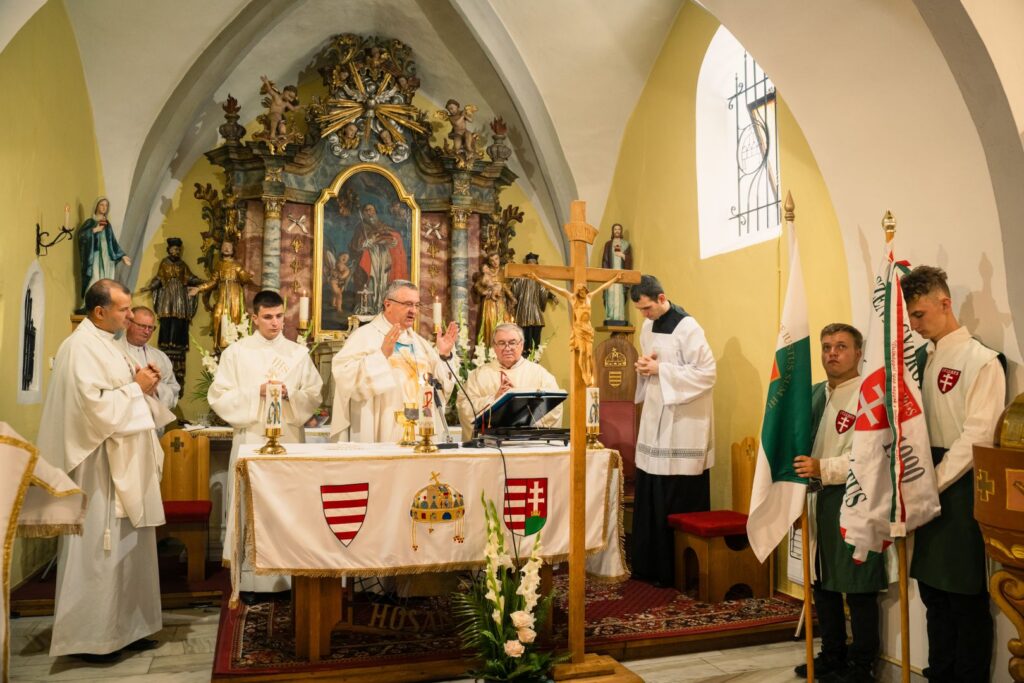
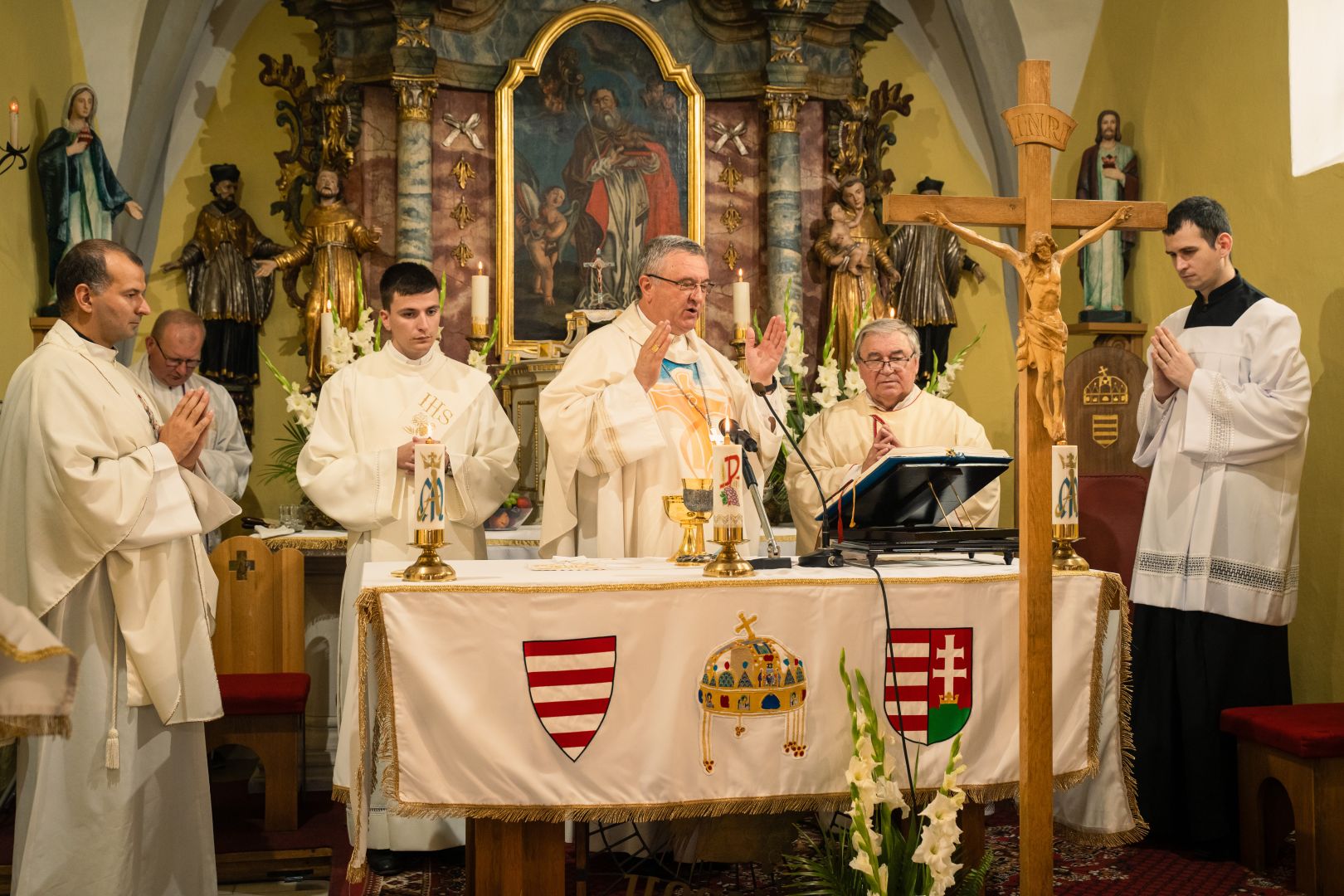
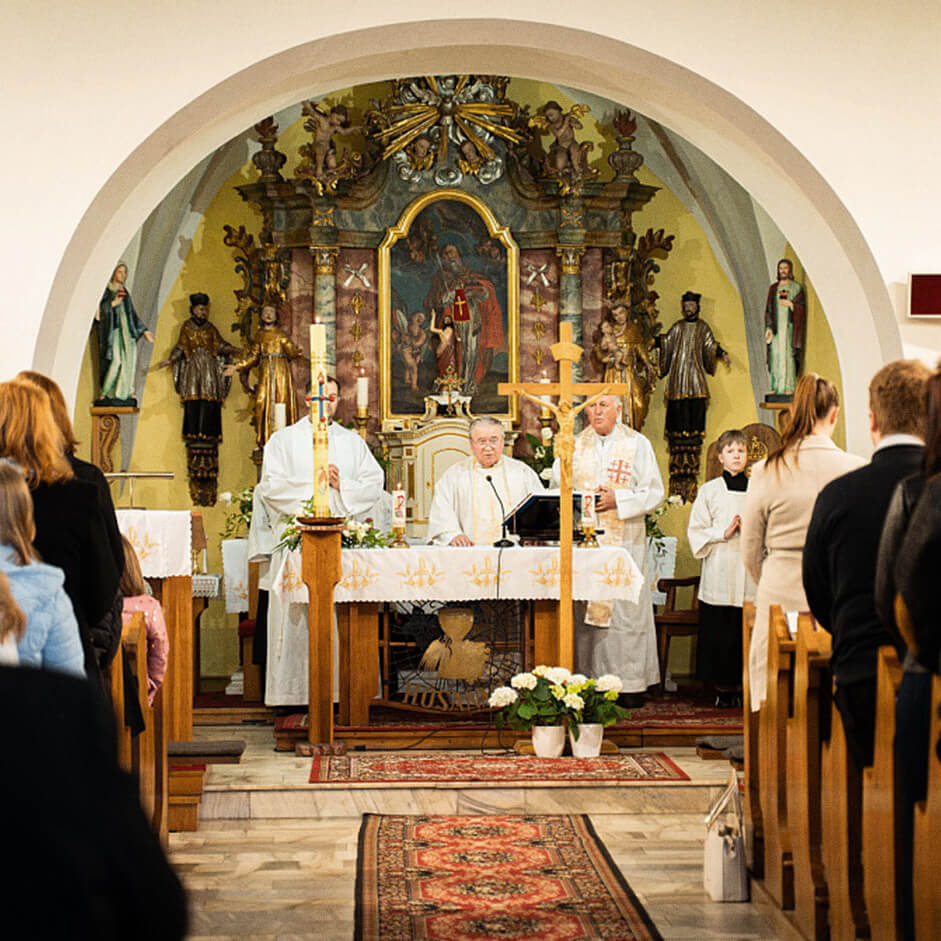
The specific duties of altar servers may vary according to the particular celebration of Holy Mass and the local liturgical practice. Their ministry may include taking part in processions, carrying the cross and candles, and, in some circumstances, assisting with the use of incense. Service at the altar should always be carried out in accordance with the liturgical order and the instructions of the priest responsible for the celebration.
The Cross and Candles
Altar servers may carry the cross and candles during processions and at designated points in the liturgy.
Preparing the Altar
At the appropriate time, they may assist in preparing the altar and arranging the liturgical items needed for the celebration, according to the established liturgical order.
Incense
During more solemn celebrations, altar servers may also assist with the thurible and the use of incense, provided they have received suitable instruction and follow the prescribed liturgical order.
Liturgical Items
Their duties may also include preparing certain liturgical objects, placing them appropriately, and assisting with their use during the celebration.
Preparing for Service
Serving as an altar server can be learned, but it requires practice and regular preparation. An altar server becomes familiar with the order of Holy Mass, the movements and gestures used in the liturgy, the objects needed for the service, and the moments when he or she is expected to take part. Preparation is not only about carrying out the duties correctly. It also helps the altar server understand what is being done and why, and take part in the liturgy with increasing awareness.
Learning the Order of Holy Mass
The altar server learns the principal parts of Holy Mass and their sequence so that the celebration can be followed confidently while serving.
Practising the Liturgical Movements
Entering in procession, genuflecting, moving around the altar, and handling candles and other liturgical items all require practice.
Knowing the Liturgical Items
The altar server learns to recognise the objects used in the course of the ministry and becomes familiar with their purpose and proper use.
Accuracy and Attentiveness
Good timing is essential when serving, as is paying close attention to the movements of the priest and the other ministers.
Who Can Become an Altar Server?
Serving as an altar server can give children and young people a valuable opportunity to become involved in the liturgical and parish life of the Church. What is needed above all is interest, reliability, and a willingness to learn the responsibilities of the ministry. The parish determines the specific local requirements, the way applications are made, and any applicable age limit.
Children
Serving at the altar from a young age can help children become more familiar with the liturgy and take part in service within the church.
Young People
The ministry can also continue into later years, allowing altar servers to remain active participants in the parish’s liturgical life over the long term.
The Role of the Altar Server in Holy Mass
The altar server has a distinct role among those who serve in the liturgy. Serving at the altar, the altar server does not replace the priest or the deacon and does not carry out responsibilities reserved for their respective ministries.
The different liturgical ministries work together and complement one another. The priest presides over Holy Mass, the deacon carries out the duties proper to his ministry, the lector serves within the Liturgy of the Word, and the altar server assists the celebration through service at the altar.
For this reason, one of the most important aspects of serving at the altar is following the liturgical order carefully and accurately.
Not Performance, but Service
The ministry of an altar server is highly visible, which can make it seem like a form of performance. Its true purpose, however, is to serve the liturgy.
An altar server serves well when the assigned duties are carried out attentively, accurately, and naturally, without drawing attention away from what stands at the heart of the liturgy.
This ministry teaches discipline, reliability, and the understanding that everyone has a particular role to fulfil in a shared celebration.
Serving as Altar Servers in Community
Altar servers do not carry out their ministry independently of one another. Serving together requires cooperation, attentiveness to one another, familiarity with the common order of service, and a willingness to help another server when necessary.
For this reason, serving at the altar is both a liturgical responsibility and an experience of community. Through their service in the church, children and young people also build relationships with one another.
The parish’s official presentation mentions young people and community activities as part of parish life.
Serving in Everyday Life
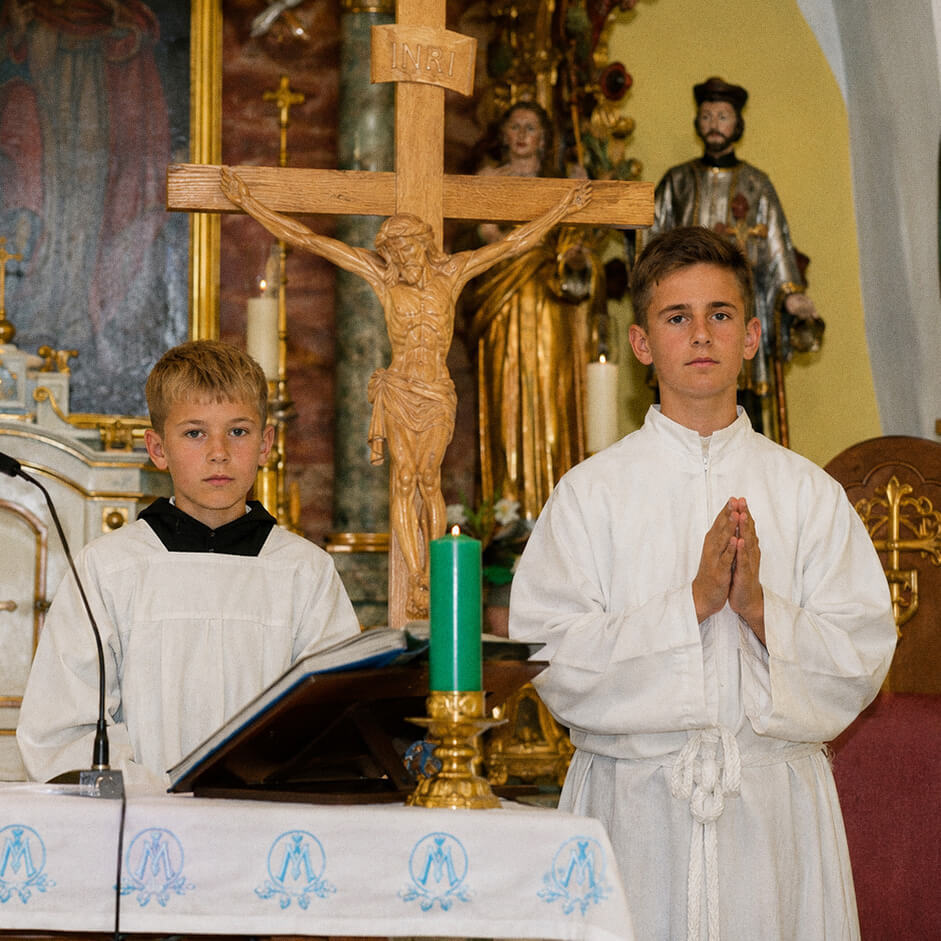
The value of serving as an altar server does not end when Holy Mass is over. The attentiveness, responsibility, and willingness to help others learned through liturgical service can also become important qualities in everyday life. Children can learn that a community depends on people who are willing to give their time to others, take responsibility for what has been entrusted to them, and be dependable.
In this way, serving at the altar is not only about learning how to carry out tasks in church, but also about learning through practice what it means to serve the community.
How Can I Get Involved?
Those interested in serving as altar servers can contact the parish to ask about joining the ministry and about how the preparation is organised.
For local information, including how to apply, the dates of altar server training, and the arrangements for serving, please follow the parish’s current announcements and information.
Serving in Community
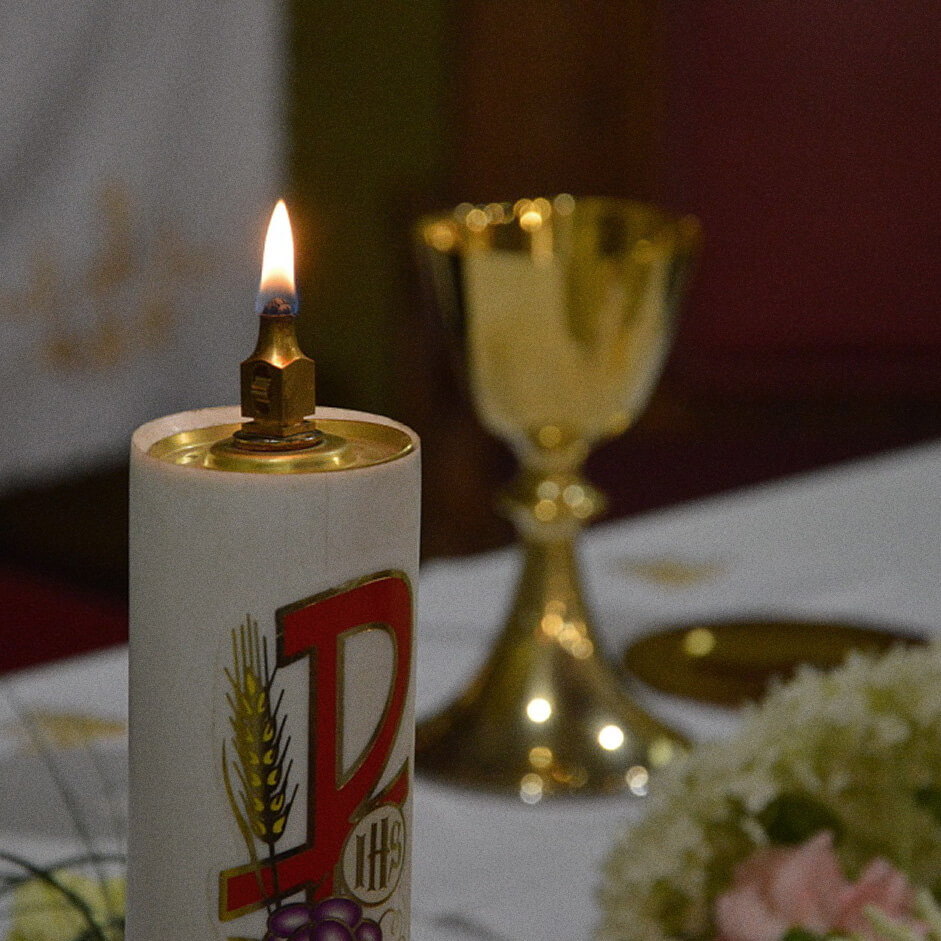
One of the most important values of serving as an altar server is that young people are not merely spectators at the liturgy. Through their own ministry, they take an active part in its celebration. Carrying the cross and candles, assisting at the altar, preparing liturgical items, and helping with incense all serve one purpose: to ensure that the community’s liturgy is celebrated with reverence and dignity. Through this service, altar servers learn to pay attention to others, work together, and take responsibility. In this way, serving at the altar is closely connected both with the liturgy and with the life of the parish community.