
The Parish as the Spiritual Home of the Community
For centuries, the parish has played an important role in the life of the Catholic community of Balog nad Ipľom. It is where the faithful take part in the life of the Church, meet their parish priest, and come together for the religious and community activities that have shaped the Catholic life of the village across generations. The history of this community is closely intertwined with the history of Balog nad Ipľom and St. Nicholas Church.
Balog nad Ipľom in the Middle Ages
IThe first known written mention of Balog nad Ipľom is connected with a charter issued by King Andrew II in 1232, in which the settlement appears under the name Bolug. According to the source, it was a royal possession at the time and belonged to the Zvolen estate. The religious history of the settlement may reach further back, as a church building may already have stood on the site of today’s St. Nicholas Church in the early Middle Ages.
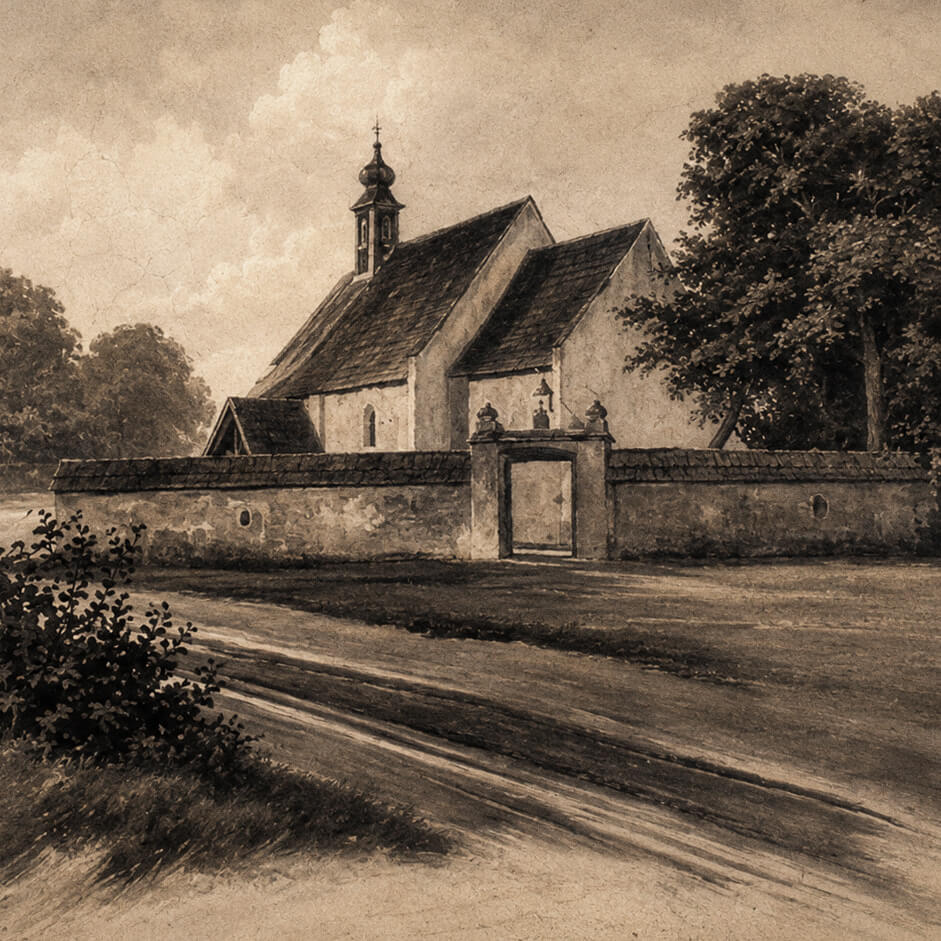
The sources concerning the age of the church are not entirely consistent. The schematism of the Diocese of Banská Bystrica dates the parish church to 1100, while architectural and historical descriptions place the basic form of the present building in the second half of the 13th century. This suggests that an earlier church building may have stood on the site, with its history continuing in a church that was rebuilt several times in later centuries. The Christian community that developed around the church, together with its pastoral ministry, provided the foundation from which parish life later developed.
The Church of St. Nicholas in the 14th Century
One of the most important pieces of evidence for medieval church life is the papal tithe register compiled between 1332 and 1337. In it, Balog nad Ipľom appears under the name Belek, and the priest of the church dedicated to St. Nicholas is also mentioned explicitly. The register names a priest called George as the priest of the Church of St. Nicholas, demonstrating that an organized church community was already active in the settlement in the 14th century.
This is one of the most important historical records concerning the origins of the parish community in Balog nad Ipľom. More than six centuries later, it can still be documented that a church dedicated to St. Nicholas and its priest served the community in Balog nad Ipľom. The pastoral care of the faithful, the celebration of Holy Mass, and service to the Christian community may already have been important parts of the religious life of the settlement at that time.
The ecclesiastical organization of the County of Hont at the time belonged to the Archdiocese of Esztergom. Balog is also listed among the old parishes belonging to the Archdeaconry of Hont.
The Traces of Centuries on the Church
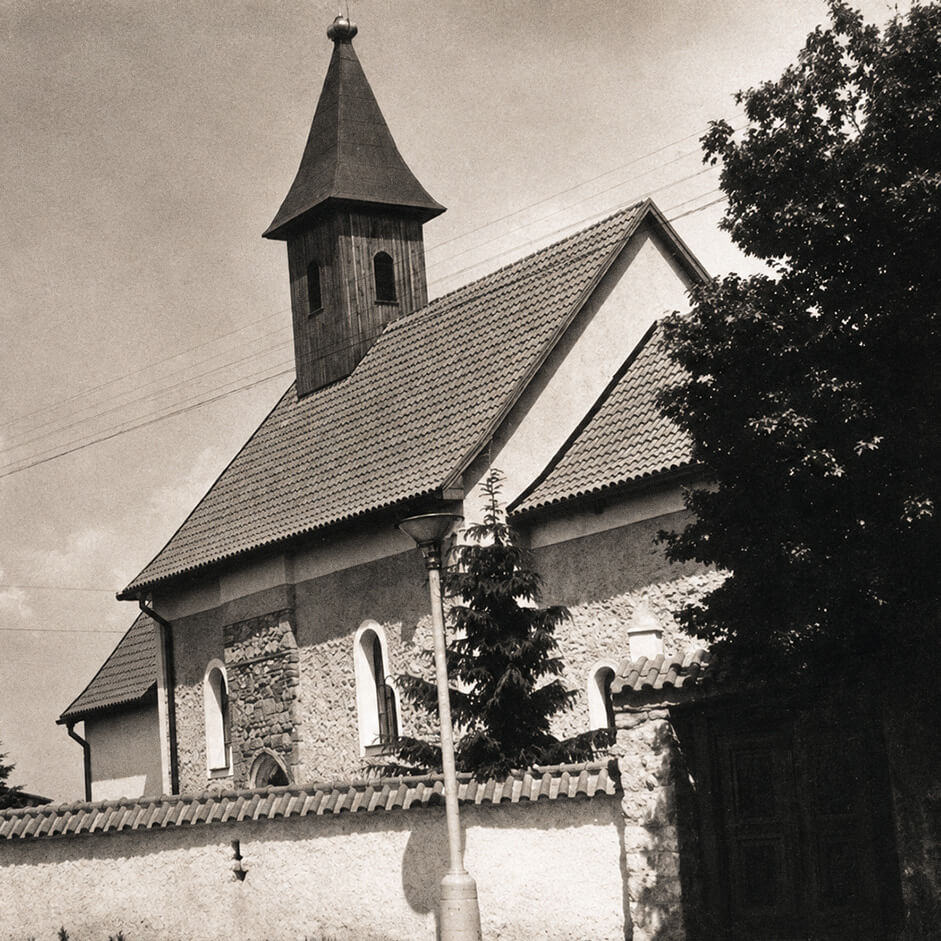
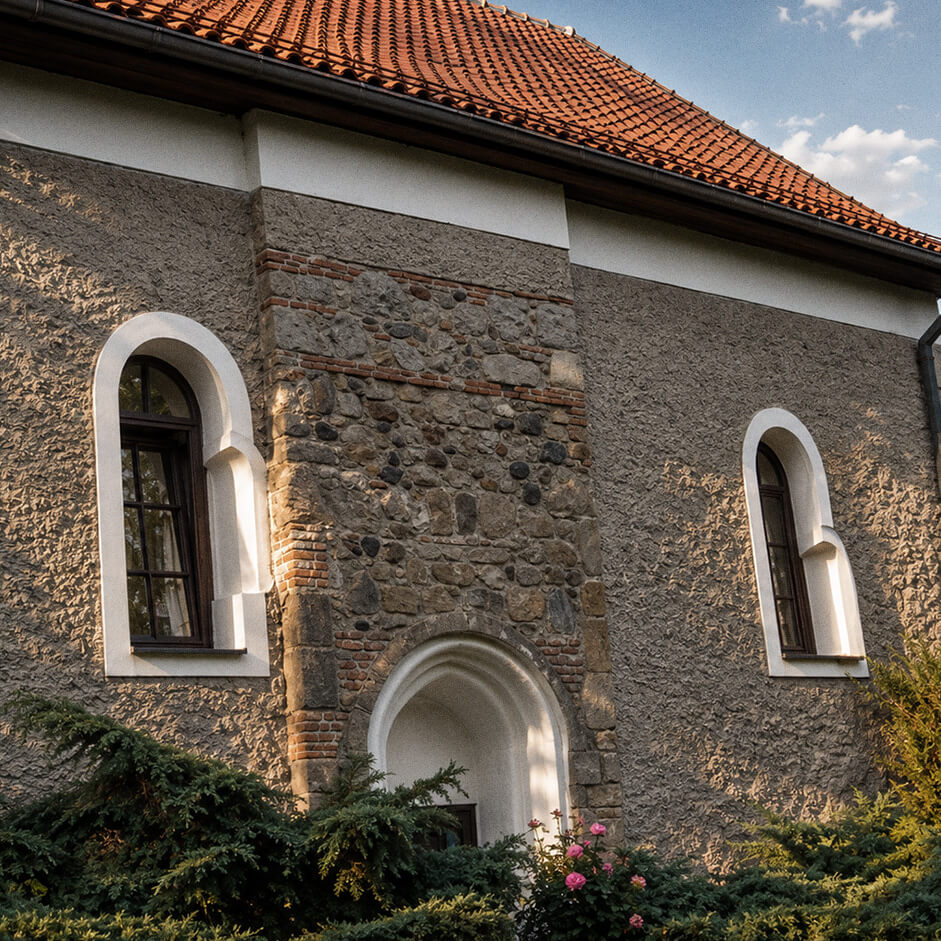
The history of the church is not connected with a single period of construction. The originally Romanesque building was altered several times over the following centuries. The Gothic period brought, among other features, the ribbed cross vault of the sanctuary, the stone doorway leading to the sacristy, and the tabernacle. During the Baroque reconstruction in the 18th century, the interior of the church was also significantly transformed, and the Baroque high altar that can still be seen today was created at that time.
Later research and restoration revealed details that had previously been hidden. The restoration uncovered remains of the Romanesque building as well as traces of an early Gothic depiction of St. Nicholas. The wall painting is now once again concealed beneath a layer of limewash.
In this way, the church preserves not only architectural heritage, but is also an important witness to the parish community that used it, cared for it, and passed it on to future generations over the centuries.
The Church and the Fortified Churchyard
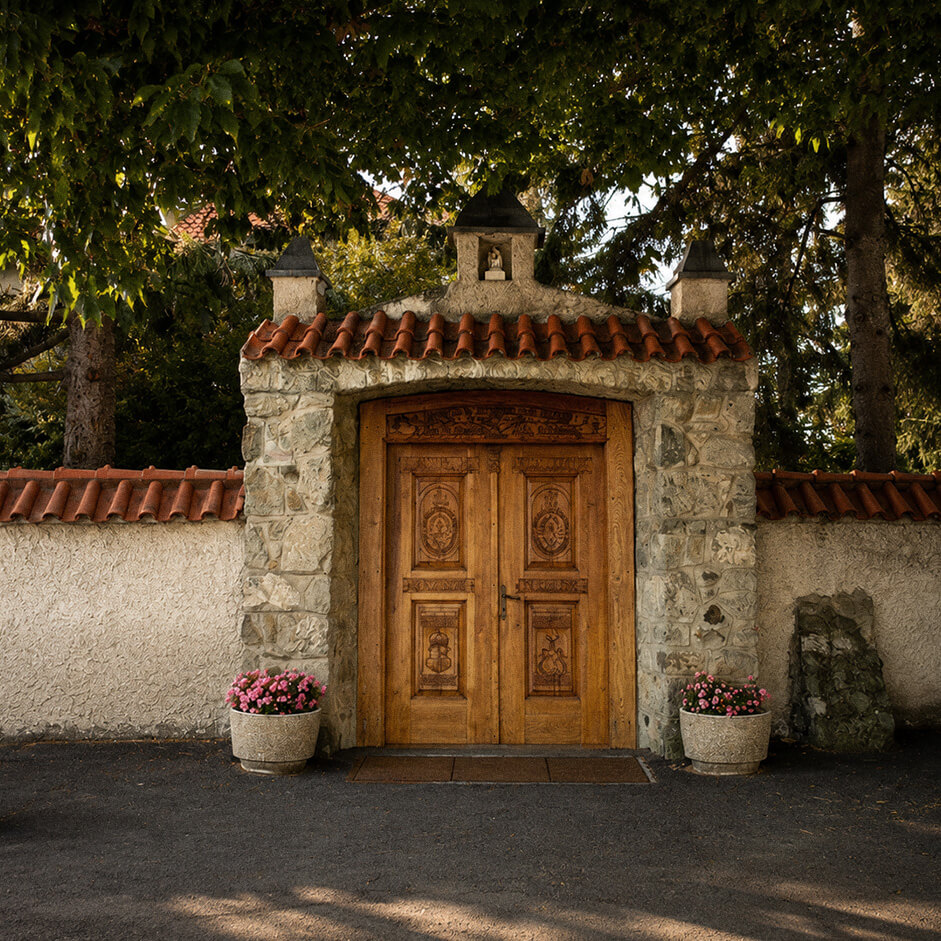
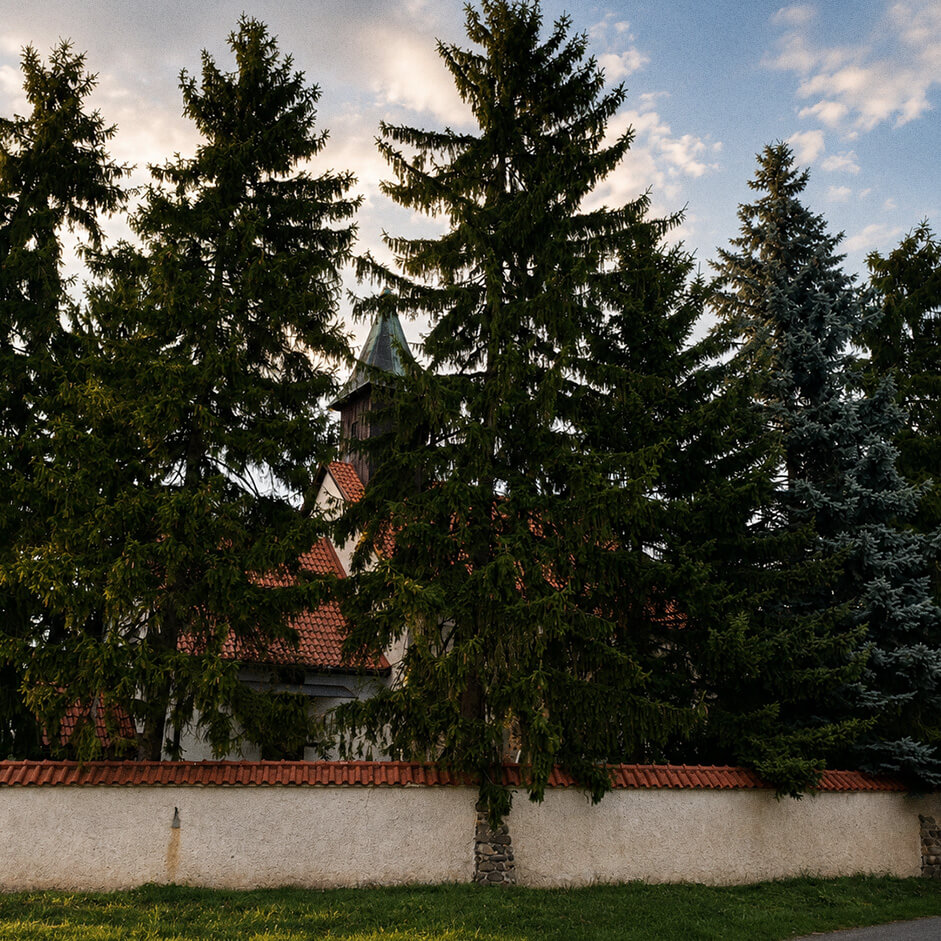
St. Nicholas Church is surrounded by a thick stone wall with loopholes. According to the sources, this fortified setting is connected with the period of the Ottoman wars, when the area around the church may also have served a defensive purpose. Together, the church and its fortified enclosure still clearly convey how closely the history of the religious building was connected with the security of the settlement and the turbulent history of the surrounding region.
The carved gate at the entrance, made in 1896, is another important part of the complex. It was created by the local craftsman Rados Imre and features both religious and historical symbols.
Together, the church and its fortified enclosure still illustrate how closely the history of the church, which formed the centre of parish life, was connected with the security of the settlement and the turbulent history of the surrounding region.
Renewal and Restoration
Significant work was also carried out on the church during the 20th century. In 1926, a major renovation took place: the southern entrance was altered, the sanctuary was modified, a new roof was installed, and part of the church’s interior furnishings was renewed. In every period, preserving and maintaining the church was also the responsibility of the local Catholic community, which is why these renovations form part of the history of parish life as well.
Another major restoration took place around 1979–1980. Work affecting the structure of the church was carried out at that time, and several earlier architectural details were uncovered. The restoration revealed, among other things, the remains of the old southern portal and several Romanesque architectural elements.
The Tradition Associated with the Holy Crown
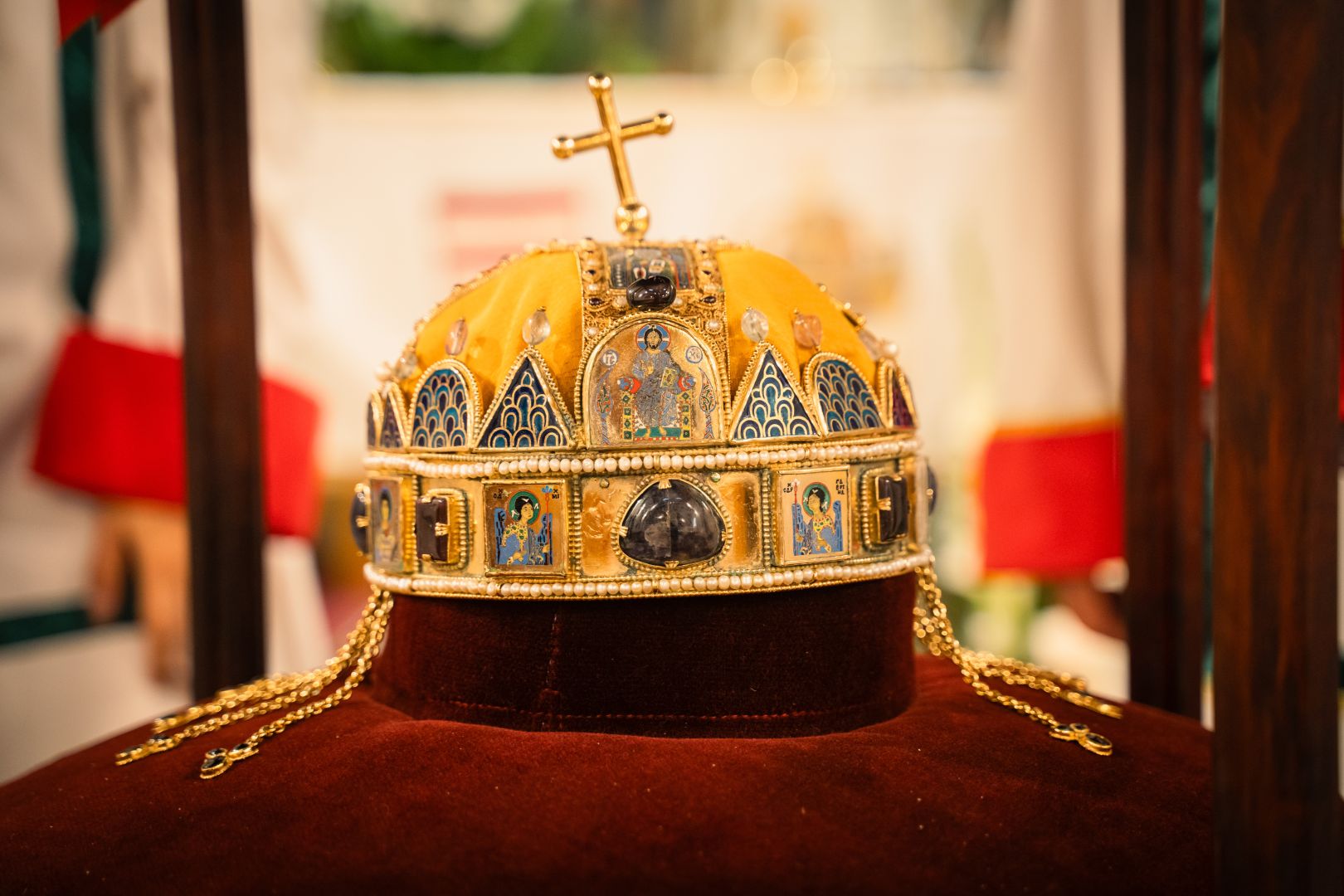
A special part of the parish and church history of Balog nad Ipľom is the tradition associated with the Holy Crown. According to local tradition, during the struggle for the Hungarian throne between Wenceslaus and Charles Robert, the crown was kept in the church in Balog nad Ipľom for one night in 1304. For centuries, the memory of this story was preserved by the crown placed on the church tower.
On 14 August 2005, an authentic replica of the Holy Crown was placed in the church. It has remained one of the best-known symbols of the church and Balog nad Ipľom ever since.
The Parish Today
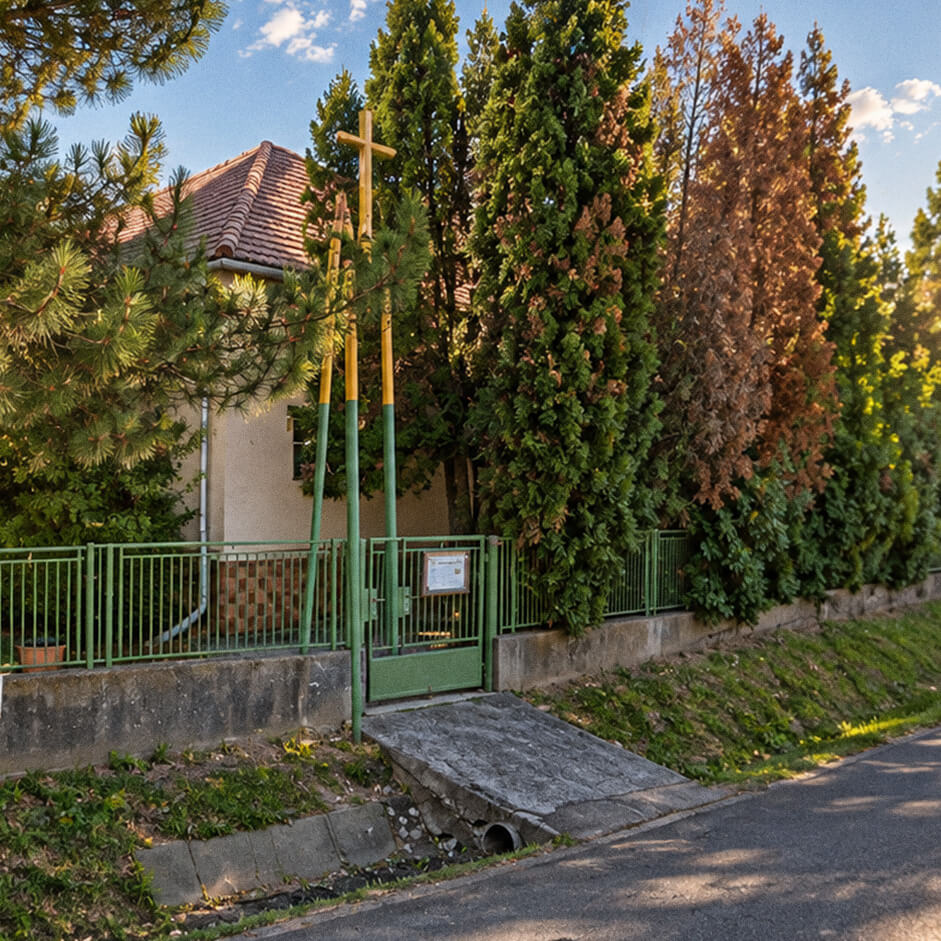
Today, St. Nicholas Roman Catholic Parish is part of the Diocese of Banská Bystrica. According to the official diocesan schematism, the parish is based in Balog nad Ipľom and includes St. Nicholas Parish Church and the Chapel of the Holy Trinity. The parish also has the filial communities of Klenany and Sečianky.
The parish continues to fulfil the same fundamental service that has connected the local Catholic community for centuries: providing the faithful with spiritual guidance and community. At the heart of parish life are the celebration of Holy Mass, the administration of the sacraments, communal prayer, and pastoral care for the faithful.
The parish is also a place of contact between the faithful and the Church. At the parish office, arrangements can be made concerning baptism, First Holy Communion, Confirmation, marriage, funeral arrangements, and other church matters.
Parish life includes not only the liturgy celebrated in the church, but also community gatherings, feasts, prayer groups, and various forms of service. The history of the parish is therefore not a closed chapter of the past, but a community and pastoral ministry that continues to live today.
The Pastoral Ministry of Ferenc György
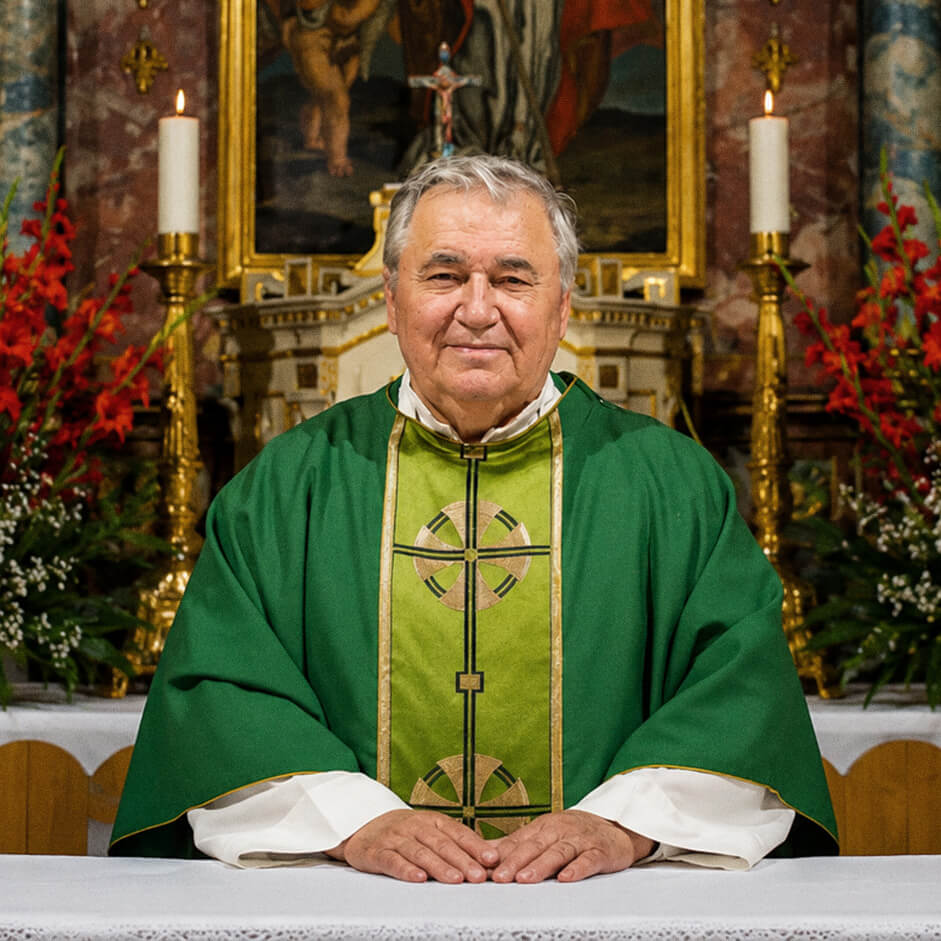
Ferenc György has been part of the life of the parish community in Balog nad Ipľom for more than two decades. He came to the settlement in 2001 and, since 2008, has served as parish priest of the Balog nad Ipľom parish within the Diocese of Banská Bystrica.
During his ministry in Balog nad Ipľom, alongside his liturgical and pastoral responsibilities, he also played an important role in researching and presenting the historical and cultural heritage of St. Nicholas Church. According to local sources, several initiatives connected with the history and interior of the church are associated with his work, as is the presentation of the local tradition surrounding the Holy Crown.
Ferenc György has presented the local tradition associated with the Holy Crown to pilgrims and visitors on several occasions. It is important, however, to distinguish the local tradition from events that can be historically established through scholarly research: the tradition that the crown was kept in Balog nad Ipľom in 1304 is part of the local tradition.
A Community Spanning Centuries
The history of the Catholic community in Balog nad Ipľom is a heritage spanning centuries. The walls of the church, the traditions that have been preserved, and the parish community that remains alive today together safeguard what previous generations entrusted to us.